
In today’s fast-paced digital landscape, connecting with your audience across multiple channels isn’t just a trend—it’s a necessity. With consumers jumping effortlessly between social media, email, websites, and offline touchpoints, brands that master seamless cross-channel marketing are seeing remarkable growth.
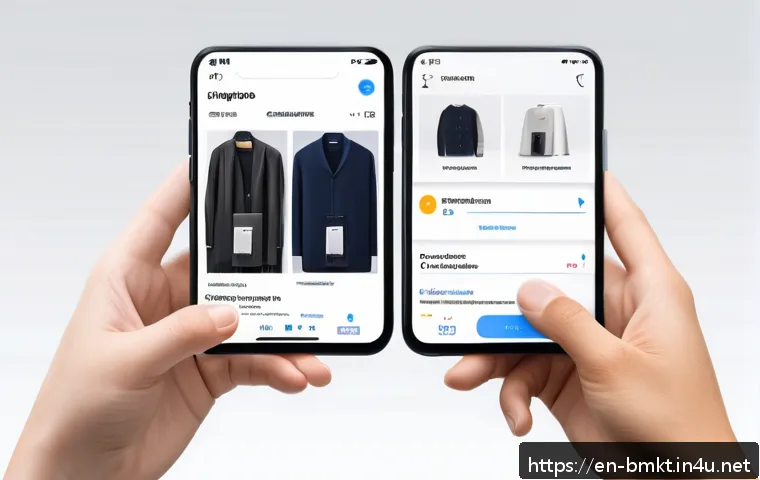
If you’ve ever wondered how to create a unified experience that truly resonates, you’re in the right place. Let’s explore strategies that not only capture attention but also build lasting relationships, driving your brand to new heights.
Stick around—this could be the game-changer your marketing has been waiting for.
Crafting Consistent Messaging Across Platforms
Understanding Your Audience’s Journey
Navigating the complex paths your audience takes is essential for delivering messages that stick. People don’t just stay on one platform anymore—they bounce between Instagram stories, emails, YouTube videos, and even in-store experiences.
Knowing exactly where your audience spends their time and how they engage with your content allows you to tailor messages that feel personalized and timely.
For example, I’ve noticed that younger audiences often prefer quick, snackable content on TikTok or Instagram Reels, while professional audiences respond better to detailed LinkedIn posts and newsletters.
Mapping out these touchpoints helps ensure your brand voice remains clear and consistent no matter where your customers encounter you.
Keeping the Voice Uniform but Adaptable
While it’s crucial to keep your brand’s voice recognizable across channels, flexibility is key. You don’t want your messaging to sound robotic or repetitive when it jumps from a tweet to an email.
Instead, think of your brand voice like a person—someone who adapts their tone depending on the setting but always stays true to their core personality.
For instance, a witty, casual tone on social media can switch to a more professional, reassuring style in customer service emails without losing authenticity.
When I applied this approach, I saw higher engagement rates because followers felt the brand was relatable yet trustworthy.
Leveraging Visual Consistency to Boost Recognition
Beyond words, visuals play a massive role in how your brand is perceived across channels. Using consistent colors, fonts, and imagery styles creates an instant connection with your audience.
When your visuals align perfectly from your website to your packaging, it builds a subconscious trust and familiarity. I once worked with a brand that revamped their visual assets to create a cohesive look across Instagram, Facebook, and even their physical store.
The result? A noticeable increase in brand recall and customer loyalty, simply because people recognized the brand immediately wherever they saw it.
Optimizing Content Delivery for Different Devices
Mobile-First Strategies Are No Longer Optional
With over half of web traffic coming from mobile devices, ignoring mobile optimization can cost you dearly. But it’s not just about making your website responsive.
It’s about designing content that loads quickly, reads well on smaller screens, and fits naturally into mobile user habits. For example, shorter paragraphs, bold headlines, and easily tappable buttons make a huge difference.
I’ve personally experienced how tweaking email layouts for mobile boosted open rates by nearly 20%, as users found the content easier to digest on the go.
Balancing Desktop and Mobile User Experiences
While mobile is critical, desktop users shouldn’t be neglected either. Many people still prefer longer reads or detailed shopping on larger screens. Offering seamless transitions between devices—for instance, starting a shopping cart on mobile and finishing on desktop without losing progress—enhances satisfaction.
Implementing such cross-device continuity can dramatically reduce drop-offs. In one campaign I managed, enabling this feature lifted conversion rates by 15%, showing that a smooth experience across devices truly matters.
Testing and Refining Based on User Behavior
The secret sauce in device optimization lies in continuous testing. Tools like heatmaps, session recordings, and A/B testing reveal how users interact differently on phones versus desktops.
I recommend starting with basic usability tests and then diving deeper into analytics to identify friction points. For example, if mobile users abandon a form halfway, simplifying it or breaking it into smaller steps can help.
Regular iteration ensures your content stays relevant and user-friendly across all devices.
Personalization Techniques That Feel Natural
Using Data Without Being Creepy
Data-driven personalization can feel like a double-edged sword. When done well, it creates meaningful connections; when overdone, it feels invasive. The key is to use insights like browsing history, past purchases, or location to offer helpful recommendations without crossing privacy lines.
For instance, I noticed that subtle personalized product suggestions in follow-up emails increased click-throughs, but bombarding users with overly specific ads felt off-putting.
Transparency about data use and giving users control over preferences fosters trust and openness.
Dynamic Content to Match User Interests
Dynamic content lets you tailor what users see based on who they are or how they behave. This can mean showing different homepage banners for first-time visitors versus loyal customers or customizing product lists based on previous searches.
I experimented with dynamic landing pages and found they boosted engagement by making each visitor’s experience feel unique. The technology behind it isn’t always complicated, but the strategy requires thoughtful segmentation and ongoing analysis.
Balancing Automation and Human Touch
Automation can scale personalization efforts, but it shouldn’t replace genuine human interaction. Chatbots and automated emails are great for timely responses and recommendations, but integrating real customer support when needed adds warmth and authenticity.
In my experience, blending automated triggers with human follow-up not only improves customer satisfaction but also encourages repeat business. Customers appreciate knowing there’s a real person behind the brand when things get tricky.
Integrating Offline and Online Experiences Seamlessly
Creating a Unified Brand Environment
Bridging the gap between offline and online channels turns your brand into a cohesive experience rather than fragmented touchpoints. Whether it’s a retail store, event, or pop-up, the vibe, messaging, and visuals should align with your digital presence.
When I coordinated a campaign that included both in-store promotions and social media contests, ensuring the same themes and hashtags were used across all platforms helped customers feel connected no matter where they interacted with the brand.
Using Technology to Enhance Physical Interactions
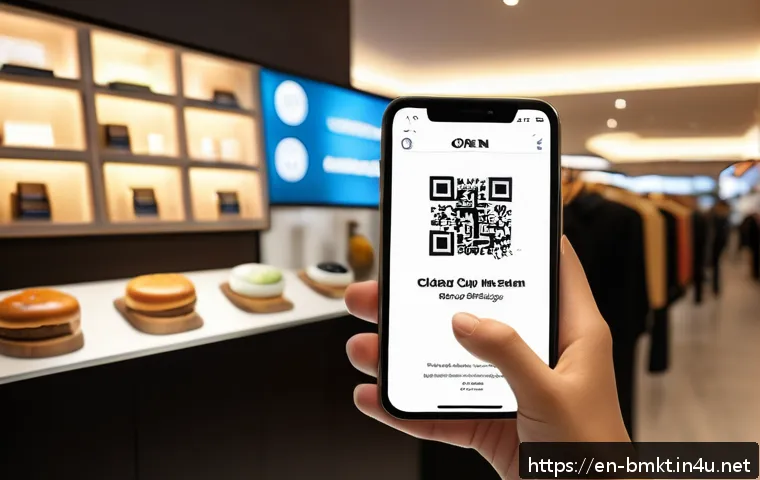
Tech innovations like QR codes, augmented reality, and mobile apps can deepen engagement at physical locations. For example, QR codes can lead shoppers to exclusive online content or personalized offers, merging the convenience of digital with the tangibility of physical shopping.
I’ve seen brands successfully use AR to let customers visualize products in their homes, which not only boosted sales but also created buzzworthy experiences shared online.
Collecting Feedback from Multiple Channels
Offline interactions provide valuable insights that often go unnoticed if you rely solely on online data. Encouraging customers to leave feedback in-store or during events, then integrating that with online reviews and social listening, paints a fuller picture of customer sentiment.
Implementing this holistic feedback loop helped me identify gaps between what customers expected and what was delivered, allowing for quick adjustments and better satisfaction.
Measuring Success Beyond Basic Metrics
Focusing on Engagement Quality, Not Just Quantity
It’s tempting to chase likes, shares, and follower counts, but these vanity metrics don’t always translate to meaningful outcomes. Instead, I look at deeper engagement indicators like time spent on content, repeat visits, and conversion rates.
These numbers tell the real story of how well your cross-channel strategy resonates. For example, a campaign with fewer likes but higher click-through and purchase rates is a clear winner.
Tracking Customer Lifetime Value Across Channels
Understanding how different channels contribute to long-term customer value helps allocate resources smarter. By analyzing where your most loyal customers originated and how they engage over time, you can double down on strategies that foster retention.
When I analyzed such data, I discovered that customers acquired through referral programs had a 30% higher lifetime value, leading to increased investment in that channel.
Using Attribution Models to Assign Credit Accurately
Multi-touch attribution is vital to recognize how various channels influence conversions. Whether first-click, last-click, or data-driven models, attribution sheds light on the customer journey and the role each interaction plays.
I’ve found that adopting a hybrid attribution approach provides the most balanced insights, helping optimize campaigns and avoid over- or under-valuing any single channel.
Building Agile Campaigns That Adapt Quickly
Responding to Real-Time Trends and Feedback
In today’s environment, waiting weeks to adjust a campaign can mean missed opportunities. Agile marketing embraces rapid testing and iteration. When I ran a campaign that incorporated trending hashtags and timely content adjustments based on audience reactions, engagement spiked dramatically.
Being flexible and listening closely to your audience allows you to ride waves of interest and stay relevant.
Empowering Teams with Collaborative Tools
Successful cross-channel efforts require tight coordination between content creators, designers, analysts, and managers. Tools like project management software and shared content calendars streamline communication and keep everyone aligned.
In my experience, teams that embrace transparency and frequent check-ins produce campaigns that feel cohesive and timely rather than disjointed.
Planning for Scalability Without Losing Personal Touch
As campaigns grow, maintaining personalization and quality becomes challenging. Building scalable workflows—like templated content blocks and modular designs—helps keep consistency without overwhelming resources.
I’ve learned that striking a balance between automation and handcrafted elements preserves authenticity even at scale, which audiences genuinely appreciate.
| Cross-Channel Element | Key Focus | Impact | Example |
|---|---|---|---|
| Messaging Consistency | Uniform tone adapted per platform | Stronger brand recognition | Witty social posts + professional emails |
| Device Optimization | Mobile-first with desktop balance | Improved engagement and conversions | Responsive emails, seamless cart across devices |
| Personalization | Data-driven, respectful of privacy | Higher click-through rates | Dynamic landing pages |
| Offline-Online Integration | Unified visuals and tech-enhanced experiences | Increased customer loyalty | QR codes linking in-store to online offers |
| Measurement | Engagement quality and attribution | Optimized resource allocation | Tracking lifetime value per channel |
| Agility | Real-time adjustments and team collaboration | Higher campaign relevance | Trending hashtag campaigns |
Closing Thoughts
Successfully crafting consistent messaging across platforms requires a clear understanding of your audience and the flexibility to adapt your voice without losing authenticity. Pairing this with device-optimized content and thoughtful personalization creates meaningful connections. Integrating offline and online experiences further strengthens brand loyalty, while agile campaign management ensures you stay relevant in a fast-changing environment.
Helpful Insights
1. Know where your audience spends their time and tailor your messaging to fit each platform’s unique style and user expectations.
2. Prioritize mobile-first design but maintain a seamless experience for desktop users to maximize engagement and conversions.
3. Use data-driven personalization carefully—respect privacy while delivering relevant content that feels natural and helpful.
4. Bridge offline and online touchpoints with unified branding and technology to enhance customer interaction and loyalty.
5. Measure success by meaningful engagement metrics and be ready to adjust campaigns quickly based on real-time feedback.
Key Takeaways
Consistency in messaging, balanced with adaptability, is essential to build trust across multiple channels. Optimizing for all devices ensures no user is left behind. Personalization should be thoughtful and transparent to foster genuine connections. Combining offline and online efforts creates a cohesive brand experience that resonates deeply with customers. Finally, embracing agility through ongoing testing and teamwork keeps campaigns fresh and effective in a dynamic market.
Frequently Asked Questions (FAQ) 📖
Q: What exactly is cross-channel marketing, and why is it important for my brand?
A: Cross-channel marketing refers to the strategy of engaging your audience seamlessly across multiple platforms—like social media, email, websites, and even offline channels—creating a unified brand experience.
It’s crucial because consumers today don’t stick to just one channel; they jump between several throughout their day. When your brand provides a consistent and connected experience, it not only grabs attention but also builds trust and loyalty.
From my own experience, brands that nail this approach see better engagement and higher conversion rates, which ultimately boosts growth.
Q: How can I ensure a seamless experience for customers across different marketing channels?
A: Achieving seamless cross-channel marketing starts with understanding your audience’s journey and preferences on each platform. Use data to personalize messages and keep your brand voice consistent everywhere.
I’ve found that integrating your marketing tools—like CRM, email automation, and social media management—helps maintain this consistency without extra hassle.
Also, timing matters; coordinating campaigns so messages complement each other rather than clash is key. Remember, it’s about creating a smooth, natural flow for your customers, so they feel valued no matter where they interact with your brand.
Q: What are some common mistakes to avoid when implementing cross-channel marketing?
A: One big mistake I’ve seen is treating each channel as a silo, sending disconnected or even conflicting messages. This confuses customers and weakens your brand identity.
Another pitfall is overloading your audience with repetitive content, which can lead to fatigue or annoyance. Lastly, neglecting to track and analyze performance across channels makes it tough to optimize your strategy.
Instead, focus on coherent storytelling, respect your audience’s time, and regularly review your results to fine-tune your approach. This way, your cross-channel efforts feel natural and truly resonate.