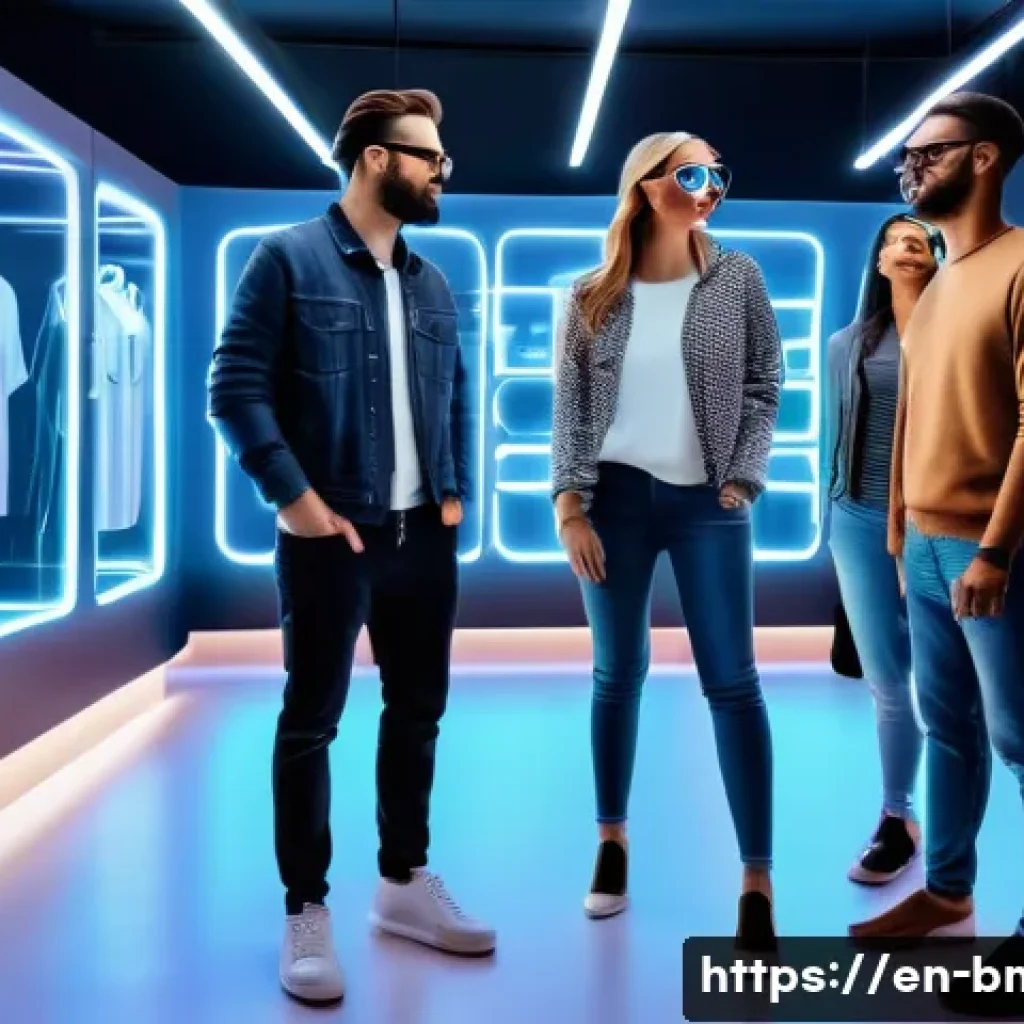
In today’s fast-paced digital world, brand marketing is evolving like never before. Cutting-edge technologies such as AI-driven personalization, immersive AR experiences, and data analytics are reshaping how brands connect with their audiences.
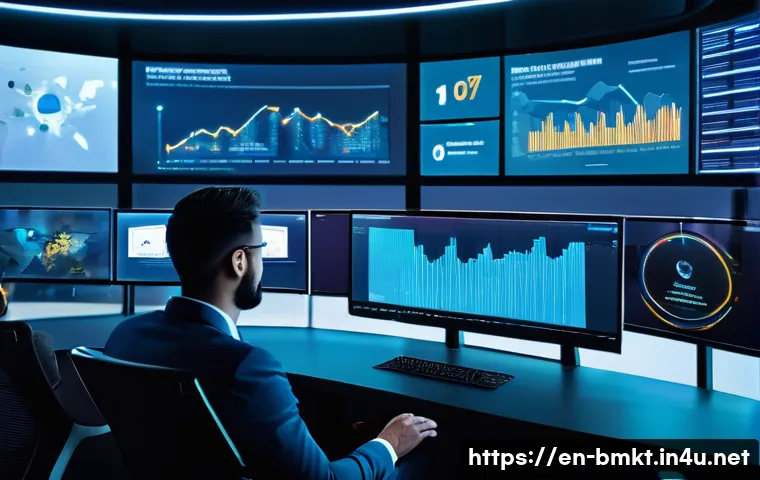
Marketers are now leveraging these tools to create more meaningful, targeted campaigns that truly resonate. Staying ahead means embracing innovation and understanding the latest trends shaping consumer behavior.
Ready to dive deeper into the future of brand marketing? Let’s explore the details together!
Transforming Customer Connections Through Smart Technology
Harnessing AI for Deep Personalization
When it comes to building genuine connections with customers, AI has become a total game-changer. From my experience working with brands, AI-driven personalization goes beyond just slapping a name on an email.
It analyzes customer behaviors, preferences, and even moods to tailor every interaction. Imagine browsing a website where the content, product suggestions, and even promotions feel like they were crafted just for you.
That’s the power of AI working behind the scenes. It’s not only boosting engagement but also making customers feel truly seen and valued, which in turn drives loyalty.
The trick is using AI to anticipate needs rather than just react, creating a seamless and highly relevant brand experience.
Augmented Reality: Creating Immersive Brand Worlds
Augmented Reality (AR) has stepped up as a vibrant way to let consumers experience products and stories in a whole new dimension. I recall testing AR apps that let users virtually “try on” clothes or see how furniture fits in their living rooms.
This immersive approach doesn’t just increase fun—it reduces hesitation in buying decisions. For brands, AR is an opportunity to engage consumers in a memorable, interactive way that standard ads just can’t match.
It’s about turning passive viewers into active participants, which strengthens emotional ties to the brand. The more you can bring your product or message into the consumer’s real world, the more impactful your marketing becomes.
Predictive Analytics: Forecasting What Customers Want Next
Understanding what your customer might want tomorrow instead of just today is where predictive analytics shines. Using vast amounts of data, these tools identify patterns and trends that help marketers craft campaigns with surgical precision.
From my observations, brands that leverage predictive analytics can optimize inventory, personalize offers, and even time their communications perfectly.
This proactive approach minimizes wasted spend and maximizes relevance. Plus, it empowers marketers to stay one step ahead of shifting consumer desires, which is crucial in an era where trends emerge and fade faster than ever.
Building Authentic Experiences Through Storytelling and Community
Storytelling That Speaks to Shared Values
People crave stories that resonate on a deeper level—stories that reflect their values, struggles, and dreams. Successful brands today don’t just sell products; they share narratives that foster connection and trust.
From my personal take, the brands that win are those that weave authenticity into their messaging, showing real people, real challenges, and real impact.
This emotional engagement sparks conversations and turns casual buyers into brand advocates. Stories that highlight sustainability, social responsibility, or innovation tend to strike a chord, especially with younger consumers who demand transparency and purpose.
Leveraging User-Generated Content to Amplify Trust
User-generated content (UGC) is a treasure trove for authentic marketing. When customers share their experiences, photos, or reviews, it acts as powerful social proof.
I’ve seen campaigns skyrocket in credibility simply because they incorporated real voices and faces from their communities. UGC not only boosts trust but also extends reach organically.
It invites consumers to become part of the brand story rather than just recipients of it. Encouraging and showcasing this content can transform marketing from a monologue into a vibrant, interactive dialogue.
Fostering Communities That Drive Loyalty
Building a loyal customer base goes beyond one-off purchases; it’s about creating a sense of belonging. Brands that cultivate communities—whether through social media groups, forums, or exclusive events—tap into the human desire for connection.
I’ve noticed that these communities become safe spaces for sharing feedback, ideas, and enthusiasm, which nurtures long-term loyalty. They also act as incubators for advocacy, where members proudly spread the word.
The key is to genuinely engage, listen, and reward participation, turning customers into passionate brand champions.
Strategic Use of Data Privacy and Ethics in Marketing
Balancing Personalization with Privacy Concerns
While data fuels personalization, the fine line between helpful and intrusive is a constant challenge. From my experience, transparency is critical—consumers want to know how their data is used and expect brands to handle it responsibly.
Embracing privacy-first strategies not only builds trust but also future-proofs marketing efforts against tightening regulations. Clear communication about data policies and giving customers control over their information can transform potential friction into a competitive advantage.
It’s about respecting privacy without sacrificing the personalized experience that customers have come to expect.
Ethical Marketing as a Brand Differentiator
Ethics in marketing is no longer optional; it’s a core part of brand identity. I’ve noticed that brands openly committed to ethical practices—from honest advertising to sustainable sourcing—tend to attract more engaged and loyal customers.
Ethical marketing means more than just avoiding misleading claims; it includes supporting social causes, promoting inclusivity, and maintaining integrity in all messaging.
This commitment resonates deeply, especially with socially conscious consumers who scrutinize brand values before buying. It’s an investment in long-term reputation that pays off in trust and advocacy.
Regulatory Landscape: Staying Ahead of Compliance
Navigating the evolving landscape of data protection laws and advertising standards can be tricky. Brands that proactively adapt to regulations like GDPR or CCPA not only avoid hefty fines but also signal reliability to consumers.
From what I’ve seen, integrating compliance into the marketing strategy early on simplifies operations and enhances brand credibility. It also encourages marketers to innovate within boundaries, finding creative ways to connect without crossing legal or ethical lines.
Staying informed and agile is essential in this fast-changing environment.

Optimizing Multichannel Campaigns for Maximum Impact
Seamless Integration Across Platforms
Today’s consumers interact with brands across a dizzying array of channels—from social media and email to in-app notifications and even voice assistants.
Ensuring a consistent and seamless experience is no small feat. I’ve worked with campaigns where integrating messaging and visuals across platforms boosted engagement dramatically.
The key is to maintain a unified brand voice while tailoring content to the unique strengths of each channel. When done right, multichannel marketing amplifies reach and reinforces brand recall, turning fragmented touchpoints into a cohesive journey.
Using Real-Time Data to Adjust Campaigns
One of the biggest advantages of digital marketing is the ability to pivot quickly based on real-time feedback. I’ve seen campaigns that doubled down on winning ads or paused underperforming ones within hours, thanks to instant data analysis.
This agility ensures marketing budgets are spent effectively and that messaging stays relevant. Real-time insights also enable personalized retargeting and dynamic content adjustments that keep consumers engaged.
It’s a continuous loop of learning and optimizing that outperforms static, one-size-fits-all approaches.
Balancing Automation with Human Touch
Marketing automation streamlines repetitive tasks and scales personalization, but it can sometimes feel robotic if overused. From my perspective, the sweet spot is blending automation with genuine human interactions.
Automated emails and chatbots handle routine queries efficiently, freeing up marketers to focus on creative storytelling and relationship-building. When brands sprinkle in personalized touches—like handwritten notes or tailored recommendations—it creates warmth that technology alone can’t replicate.
This balance enhances both efficiency and emotional connection.
Emerging Technologies Shaping Tomorrow’s Marketing Landscape
Voice Search and Conversational AI
With smart speakers and voice assistants becoming household staples, voice search is reshaping how consumers find and interact with brands. I’ve noticed that optimizing content for voice queries requires a more natural, conversational tone—think questions and commands rather than keywords.
Conversational AI also opens doors for personalized customer service and sales through chatbots that understand context and nuance. This trend is still unfolding, but brands that embrace voice early will likely gain a competitive edge by meeting customers where they are.
Blockchain for Transparency and Trust
Blockchain technology, often associated with cryptocurrencies, is quietly making waves in marketing by enhancing transparency and combating fraud. For example, it can verify the authenticity of digital ads or track product origins for consumers concerned about ethical sourcing.
I’ve seen pilot projects where blockchain builds trust by giving customers direct access to verified information. Although still emerging, this technology promises to revolutionize how brands prove their claims and engage with increasingly savvy consumers demanding accountability.
5G and the Rise of Instantaneous Experiences
The rollout of 5G networks is accelerating the delivery of rich media content, enabling marketers to create ultra-fast, immersive experiences. From high-quality live streaming to instant AR interactions, 5G removes the latency barriers that previously limited creativity.
In my recent campaigns, leveraging 5G allowed us to offer interactive product demos and real-time customer support without frustrating delays. This technology empowers brands to push the envelope on engagement and deliver smooth, captivating experiences that keep users coming back.
Comparison of Key Brand Marketing Technologies
| Technology | Main Benefit | Consumer Impact | Implementation Challenge | Best Use Case |
|---|---|---|---|---|
| AI Personalization | Highly tailored customer experiences | Feels uniquely relevant and engaging | Requires quality data and ethical use | Dynamic content and product recommendations |
| Augmented Reality (AR) | Immersive and interactive brand engagement | Enhances decision-making and emotional connection | High development cost and tech adoption | Virtual try-ons, product visualization |
| Predictive Analytics | Proactive marketing and inventory management | Offers timely and relevant offers | Complex data integration and analysis | Forecasting trends and personalized outreach |
| User-Generated Content (UGC) | Authentic social proof and engagement | Builds trust and community | Managing quality and moderation | Social media campaigns and reviews |
| Voice Search & AI | Natural, conversational customer interaction | Convenient and accessible brand touchpoints | Requires content optimization and tech investment | Customer service and search optimization |
Wrapping Up
Smart technology is revolutionizing how brands connect with their customers, making interactions more personalized, immersive, and meaningful. By embracing innovations like AI, AR, and predictive analytics, marketers can create authentic experiences that truly resonate. The future belongs to those who balance technology with human touch and ethical practices. Staying adaptable and transparent will ensure lasting customer loyalty and trust in an ever-evolving landscape.
Useful Insights to Remember
1. Personalization powered by AI goes far beyond simple customization; it anticipates customer needs and emotions to build deeper connections.
2. Augmented Reality transforms shopping by allowing customers to interact with products in real-world settings, reducing hesitation and boosting engagement.
3. Predictive analytics enables brands to forecast trends and optimize campaigns, resulting in more timely and relevant offers.
4. User-generated content fosters authentic trust and invites customers to actively participate in the brand story, enhancing credibility.
5. Balancing automation with genuine human interaction creates a warm, efficient customer experience that technology alone cannot achieve.
Key Takeaways for Success
Effective marketing today hinges on integrating advanced technologies thoughtfully while respecting consumer privacy and ethics. Brands must deliver consistent, personalized experiences across multiple channels, using real-time data to stay agile. Building authentic community connections through storytelling and user engagement drives loyalty beyond transactions. Navigating regulatory requirements proactively safeguards reputation and fosters trust. Ultimately, combining innovation with transparency and empathy creates marketing that truly resonates and endures.
Frequently Asked Questions (FAQ) 📖
Q: How can
A: I-driven personalization improve my brand marketing efforts? A1: AI-driven personalization allows you to tailor your marketing messages and offers based on individual customer behaviors, preferences, and past interactions.
From my experience, this means your audience feels genuinely understood, which boosts engagement and conversion rates. Instead of generic ads, customers receive content that speaks directly to their needs, making your campaigns more efficient and impactful.
Q: What role does augmented reality (
A: R) play in creating immersive brand experiences? A2: Augmented reality creates a unique way for customers to interact with your products or services by blending digital elements into the real world.
When I tested AR campaigns, I noticed they significantly increased user engagement because people love hands-on, interactive experiences. For example, virtual try-ons or 3D product demos let customers explore your brand in a memorable and fun way, which can dramatically improve brand loyalty.
Q: Why is data analytics essential for modern brand marketing?
A: Data analytics provides actionable insights into how your campaigns are performing and what your customers truly want. From what I’ve seen, marketers who harness data can quickly identify trends, optimize strategies, and allocate budgets more wisely.
Instead of guessing, you get clear evidence about which channels and messages work best, allowing you to stay agile and ahead of competitors in a constantly shifting marketplace.