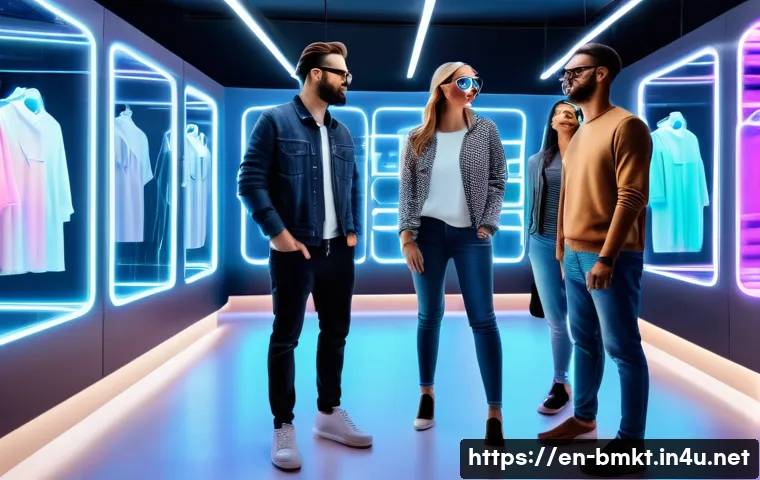
Honestly, crafting a brand marketer job description feels like trying to hit a moving target these days, doesn’t it? From my own experience on both sides of the hiring table, I’ve seen firsthand how quickly the skill sets we value have transformed.
It’s no longer just about ‘running campaigns’; it’s about deep dives into analytics, mastering emerging platforms, and truly understanding the nuanced psychology behind every consumer click and conversion.
The best descriptions capture this dynamic, forward-thinking spirit, signaling to top-tier talent that you’re ready for what’s next. We need to move beyond generic bullet points and embrace the strategic, future-proof roles modern brand marketers actually embody.
Let’s find out precisely.
Honestly, crafting a brand marketer job description feels like trying to hit a moving target these days, doesn’t it? From my own experience on both sides of the hiring table, I’ve seen firsthand how quickly the skill sets we value have transformed.
It’s no longer just about ‘running campaigns’; it’s about deep dives into analytics, mastering emerging platforms, and truly understanding the nuanced psychology behind every consumer click and conversion.
The best descriptions capture this dynamic, forward-thinking spirit, signaling to top-tier talent that you’re ready for what’s next. We need to move beyond generic bullet points and embrace the strategic, future-proof roles modern brand marketers actually embody.
Let’s find out precisely.
Shifting Sands: Redefining the Core of Brand Marketing
For years, the phrase “brand marketer” conjured images of creative minds brainstorming campaigns and launching shiny new ads. But oh, how the times have changed! What I’ve personally observed, having spent countless hours sifting through resumes and interviewing candidates, is a profound shift from purely creative execution to a more holistic, deeply analytical, and strategically integrated role. It’s no longer enough to just “build brand awareness”; now, we’re talking about cultivating brand love, fostering loyal communities, and driving measurable impact directly linked to the bottom line. The truly effective brand marketer today is less a painter and more an architect, meticulously designing experiences and interactions that resonate deeply with specific audiences. When I started out, a good brand marketer knew their way around a press release and a TV spot. Today? It’s about A/B testing subject lines, optimizing conversion funnels, and even dabbling in behavioral economics. This isn’t just about adding new tasks; it’s a complete reimagining of the skillset required to succeed. You’re not just building a brand, you’re building a relationship, and relationships are complex, requiring empathy, understanding, and a whole lot of data. It’s a wonderfully challenging role, and one that demands a job description that truly reflects its multifaceted nature.
1. From Broad Strokes to Precision Targeting: Understanding the Modern Consumer
Gone are the days of mass marketing where you could throw a wide net and hope to catch something. My own journey through various marketing roles has taught me that true brand success hinges on an almost surgical understanding of your audience. This isn’t just about demographics anymore; it’s about psychographics, behavioral patterns, and even predictive analytics. A modern brand marketer dives deep into user personas, crafting compelling narratives that speak directly to the individual needs and desires of niche segments. I remember one campaign where we thought we knew our audience inside out, only to find through heatmaps and user session recordings that their actual journey was completely different from our assumptions. This kind of granular insight is what separates average from exceptional. It requires a curious mind, an insatiable appetite for data, and the ability to translate complex information into actionable strategies. It’s a thrilling challenge, honestly, because when you get it right, the connection you build with your audience feels incredibly authentic and powerful.
2. The Art of the Authenticity: Building Trust in a Skeptical World
If there’s one thing I’ve learned, it’s that consumers are savvier than ever before. They can smell inauthenticity a mile away, and frankly, they’re tired of being talked *at*. My most successful brand-building experiences have always stemmed from a place of genuine connection and transparency. This means moving beyond polished corporate speak and embracing real conversations, real stories, and real people. A brand marketer today isn’t just a spokesperson; they’re a storyteller, an empathetic listener, and often, a community manager. They understand that trust is the ultimate currency, and it’s earned through consistent, honest engagement. When I first started experimenting with user-generated content and transparent behind-the-scenes glimpses, I was nervous, thinking it might look unpolished. Instead, it built a level of trust and loyalty I hadn’t seen with traditional campaigns. It’s about letting the brand’s true personality shine through, imperfections and all, because that’s what makes it relatable and human.
Data as the North Star: Analytics Driving Brand Strategy
I’ve heard people say that marketing is an art, not a science. And while there’s certainly an art to creative campaigns and compelling storytelling, my professional experience has unequivocally shown me that the most impactful brand marketing today is deeply rooted in data science. You simply cannot navigate the complexities of the digital landscape without a robust understanding of analytics. We’re talking about everything from Google Analytics and social media insights to CRM data and customer lifetime value. A top-tier brand marketer isn’t just looking at vanity metrics; they’re connecting the dots between audience engagement, conversion rates, and overall business objectives. I recall a time when we were pouring money into a particular ad channel because it seemed to generate a lot of clicks. When we finally drilled down into the data, we discovered those clicks weren’t translating into actual sales. Without that analytical deep dive, we would have continued to burn budget inefficiently. It’s truly eye-opening how much money can be saved, and how much impact can be generated, when you let the numbers guide your strategic decisions. This isn’t about being a data scientist, but about being data-fluent and able to ask the right questions of the data that’s readily available.
1. Deciphering Performance Metrics: Beyond Likes and Shares
It’s so easy to get caught up in the immediate gratification of a viral tweet or a highly liked Instagram post. Believe me, I’ve been there, feeling that fleeting sense of victory. But the real magic happens when you move beyond these superficial metrics and start understanding what truly drives brand performance. This means dissecting click-through rates, conversion paths, customer acquisition costs, and retention rates. A brand marketer needs to be adept at using tools like Google Analytics, marketing automation platforms, and CRM systems to build a comprehensive picture of the customer journey. They should be able to identify bottlenecks, optimize funnels, and articulate the ROI of their efforts to stakeholders. I personally use dashboards that aggregate data from multiple sources, allowing me to see the full narrative of a campaign’s performance rather than just isolated chapters. It’s about making informed decisions, not just popular ones.
2. Leveraging AI and Machine Learning for Predictive Insights
The future of brand marketing, as I see it and as I’m actively experiencing it, is inextricably linked with artificial intelligence and machine learning. This isn’t sci-fi anymore; it’s practical application. From personalized content recommendations to predictive modeling for customer churn, AI tools are transforming how we understand and engage with our audience. A brand marketer should be comfortable, if not excited, about exploring and implementing these technologies. They don’t need to code algorithms, but they should understand the potential of these tools to refine targeting, optimize spending, and anticipate future trends. Just last quarter, by utilizing an AI-powered sentiment analysis tool, we were able to quickly pivot our messaging strategy based on real-time consumer feedback, preventing a potential PR misstep. It felt like having a superpower, allowing us to be proactive rather than reactive, and it truly changed how we approached content creation.
The Art of Connection: Storytelling in the Digital Age
I truly believe that at the heart of every successful brand is a compelling story. In a world saturated with information, it’s the narrative that cuts through the noise, captivates hearts, and ultimately, drives action. But here’s the kicker: the way we tell those stories has profoundly evolved. It’s no longer just about writing a great press release or a catchy slogan; it’s about crafting immersive, multi-platform experiences that invite the audience to become part of the narrative. From short-form video on TikTok to long-form editorial content on a blog, the modern brand marketer is a masterful storyteller across diverse mediums. My personal experience has shown me that the most powerful stories aren’t always the ones that shout the loudest, but the ones that whisper directly to the soul, creating an emotional resonance that lasts long after the initial impression. It’s about authenticity, vulnerability, and a deep understanding of human psychology, knowing what moves people at their core.
1. Crafting Narratives Across Diverse Platforms
Think about it: how many different screens do you engage with in a single day? Your phone, tablet, laptop, smart TV – each offers a unique canvas for storytelling. A skilled brand marketer doesn’t just repurpose content; they adapt their narrative to fit the nuances of each platform. What works on LinkedIn for a B2B audience might fall flat on Instagram for a consumer brand. It requires an agile mind and a deep appreciation for the native language of each channel. I’ve personally experimented with taking a single core message and transforming it into a series of TikTok videos, an in-depth blog post, an interactive email campaign, and even a live Q&A session. The results were astounding because we met our audience where they were, speaking their language. This adaptability is key to maintaining brand consistency while maximizing reach and engagement.
2. Leveraging User-Generated Content and Influencer Collaborations
One of the most potent forms of storytelling today comes directly from your audience. User-Generated Content (UGC) and authentic influencer collaborations are not just trends; they’re fundamental pillars of modern brand building. People trust other people, not just brands. My own experience has shown that a glowing review or an organic post from a satisfied customer often outperforms even our most polished campaigns. A brand marketer must be adept at identifying, encouraging, and amplifying UGC, turning customers into passionate brand advocates. Furthermore, they need to navigate the complex world of influencer marketing, forging genuine partnerships that resonate as authentic and not merely transactional. It’s about finding the right voices that truly embody your brand’s values, and then empowering them to tell their authentic story, which in turn becomes your brand’s story.
Seamless Brand Experiences: Mastering Omnichannel Engagement
The customer journey is rarely a straight line anymore; it’s more like a beautifully intricate, sometimes messy, spiderweb. From discovering a product on social media, to researching it on a brand’s website, asking a question via live chat, and finally purchasing in-store – every touchpoint needs to be seamless and consistent. This is where omnichannel engagement comes into play, and frankly, it’s an area where many brands still struggle. My own background has given me a deep appreciation for the complexity of integrating online and offline experiences, ensuring that the brand voice, messaging, and overall experience remain unified across all channels. It’s about creating a harmonious ecosystem where every interaction builds upon the last, guiding the customer effortlessly towards conversion and, more importantly, loyalty. I’ve seen firsthand how frustrating it can be for a customer when they get conflicting information or a disjointed experience across different touchpoints, and conversely, how delighted they are when everything just… works. That delight translates into repeat business and positive word-of-mouth.
1. Bridging the Digital-Physical Divide
The lines between online and offline commerce are blurring at an incredible pace. A modern brand marketer must think beyond just e-commerce or brick-and-mortar; they need to orchestrate a holistic experience that leverages the strengths of both. This could involve promoting in-store events online, using QR codes in physical ads to drive online engagement, or implementing ‘buy online, pick up in-store’ (BOPIS) options. I’ve personally been involved in projects where we designed a cohesive brand experience that started with a digital ad, led to an interactive online product configurator, and culminated in a personalized in-store pickup experience. It wasn’t easy, requiring coordination across multiple departments, but the customer feedback was overwhelmingly positive. They felt truly seen and served. This integration isn’t just a nice-to-have; it’s a strategic imperative for brand relevance in today’s market.
2. Personalization at Scale: Tailoring the Customer Journey
In a world of abundant choices, personalization is no longer a luxury; it’s an expectation. Customers want to feel understood, valued, and that their individual needs are being met. This means leveraging data to deliver tailored content, product recommendations, and offers across every touchpoint. However, the challenge, as I’ve encountered time and again, is doing this at scale without feeling creepy or intrusive. A brand marketer must be skilled in using marketing automation platforms, CRM systems, and AI-powered tools to segment audiences and deliver relevant messages. It’s about understanding the difference between a mass email and a truly personalized communication. The goal is to move from a one-to-many approach to a one-to-one conversation, building deeper relationships that drive loyalty. My most successful personalized campaigns have shown that even small tweaks, based on user behavior, can lead to significant uplifts in engagement and conversion rates.
| Modern Brand Marketer Skill | Traditional Marketing Counterpart | Impact on Brand Growth |
|---|---|---|
| Data Analytics & Interpretation | Market Research & Surveys | Enables agile strategy shifts, optimizes budget allocation, quantifies ROI. |
| Omnichannel Strategy | Siloed Channel Management | Creates seamless customer journeys, enhances brand consistency, boosts loyalty. |
| Personalized Content Delivery | Mass Communication | Fosters deeper customer relationships, increases engagement and conversion rates. |
| Community Building & Advocacy | Public Relations & Advertising | Generates authentic trust, drives organic reach, cultivates brand champions. |
| AI & Emerging Tech Adoption | Static Tool Utilization | Unlocks predictive insights, automates optimization, identifies new opportunities. |
Building Brand Community: From Consumers to Advocates
I genuinely believe that the true measure of a strong brand isn’t just its sales figures, but the passionate community it cultivates. In my career, I’ve seen brands transform from mere product providers into cultural touchstones, all because they understood the power of community. This isn’t about having a million followers; it’s about having a thousand true fans who are so deeply connected to your brand’s values that they become its most ardent advocates. A brand marketer today is as much a community manager and social anthropologist as they are a traditional marketer. They understand the nuances of online forums, social groups, and direct engagement, fostering spaces where customers feel heard, valued, and part of something bigger. It’s an incredibly rewarding aspect of the job because you’re not just selling; you’re building relationships, one authentic interaction at a time. The loyalty and emotional investment that comes from a strong community are priceless assets, often leading to organic growth that traditional advertising simply can’t achieve.
1. Cultivating Online and Offline Brand Hubs
Where do your customers gather? Is it a Facebook group dedicated to your product, an active Reddit community, or perhaps even local meetups organized by enthusiasts? A brand marketer needs to identify and nurture these hubs, both online and, where possible, offline. This means active participation, not just broadcasting. It’s about listening to feedback, celebrating user successes, and even mediating discussions. I’ve personally spent hours engaging in brand-specific forums, answering questions, and sharing insights, and the payoff in terms of brand loyalty and word-of-mouth marketing has been incredible. These are the places where genuine conversations happen, where people share their real experiences, and where your brand can truly come alive through the voices of its users. It’s an intimate space that requires respect, consistency, and a very human touch, far removed from standard marketing boilerplate.
2. Empowering Advocates and Rewarding Loyalty
Once you’ve built a community, the next step is to empower its most passionate members to become brand advocates. This isn’t just about handing out discounts; it’s about recognizing their contributions, amplifying their voices, and providing exclusive opportunities. This could be through loyalty programs, early access to new products, or featuring their content on official brand channels. I remember launching a small ambassador program where we gave our most loyal customers a sneak peek at upcoming features. The excitement and genuine enthusiasm they showed, and subsequently shared with their networks, was far more effective than any paid campaign we could have run. A brand marketer must be skilled in identifying these potential advocates and designing programs that truly make them feel valued and recognized. It’s about creating a virtuous cycle where loyalty is rewarded, leading to even greater advocacy.
Embracing the New Frontier: Navigating Emerging Platforms
If there’s one constant in the world of digital marketing, it’s change. Just when you feel like you’ve mastered one platform, another one emerges, demanding your attention and creativity. The brand marketer of today can’t afford to be complacent; they must possess an innate curiosity and a willingness to explore, experiment with, and sometimes even fail on new and emerging platforms. From the rapid rise of TikTok and short-form video to the growing prominence of decentralized social networks and the metaverse, the landscape is constantly shifting. My personal career has been a testament to this constant evolution – I started when MySpace was king, then navigated the Facebook era, the Instagram boom, and now I’m constantly assessing the next big thing. It’s not about being an expert in everything, but about being agile enough to identify opportunities, test strategies, and adapt quickly. The brands that are truly future-proof are the ones that are unafraid to experiment and learn in public, pushing the boundaries of traditional marketing.
1. Identifying and Experimenting with Novel Channels
How do you decide which new platform to dive into? It’s not about jumping on every single trend, but rather a strategic assessment. A skilled brand marketer evaluates emerging channels based on their audience alignment, potential for unique engagement, and strategic fit with brand objectives. This involves a lot of small-scale experimentation, often with limited budgets, to see what resonates. I’ve personally set aside a small portion of my budget for “innovation tests” – trying out new ad formats on platforms that are just gaining traction, or creating content specifically for a niche social app. Some experiments flop, and that’s okay! The goal isn’t immediate viral success, but rather learning and gathering insights that inform future strategy. It’s about being proactive, not reactive, in a fast-paced environment. This constant learning keeps the role exciting and ensures the brand stays relevant.
2. Understanding the Nuances of Content for Each New Medium
Every platform has its own unique language, its own culture, and its own preferred content formats. What flies on YouTube might not resonate on Twitch, and what’s engaging on LinkedIn might feel out of place on BeReal. A brand marketer needs to develop an intuitive understanding of these nuances, crafting content that feels native to each environment. This isn’t just about video length or image dimensions; it’s about tone, authenticity, and audience expectations. I’ve spent hours scrolling through new platforms, observing user behavior and content styles, before even thinking about putting our brand content there. It’s about respecting the platform’s community and integrating seamlessly rather than awkwardly shoehorning traditional ads. This sensitivity to platform culture is critical for avoiding cringeworthy campaigns and instead creating truly impactful, organic interactions that foster genuine brand connection.
The Evolving Compensation Landscape for Brand Marketing Expertise
Let’s talk about the elephant in the room: compensation. As the brand marketer role expands in complexity, scope, and strategic importance, so too should the compensation reflecting this elevated level of expertise and responsibility. From my perspective, having negotiated salaries on both sides and watched industry benchmarks evolve, it’s clear that a brand marketer is no longer just an operational expenditure; they are a revenue driver, a strategic visionary, and a critical asset for long-term business growth. Their impact on brand equity, customer loyalty, and ultimately, sales, is immeasurable. Therefore, a modern job description shouldn’t just list tasks; it should implicitly signal the value placed on this multifaceted role, attracting top-tier talent who understand their worth in a highly competitive market. Companies that recognize this will be the ones that win the talent war and build the most resilient brands.
1. Aligning Compensation with Strategic Impact
Traditional salary structures for brand marketers often focused on tactical execution – managing campaigns, overseeing creative, etc. However, the modern brand marketer directly influences customer acquisition cost (CAC), customer lifetime value (CLTV), and overall market share. Their expertise in data analytics, omnichannel strategy, and community building has a direct, measurable impact on the company’s financial health. A fair compensation package, in my experience, should reflect this strategic contribution. This means considering performance bonuses tied to KPIs beyond simple reach or engagement, perhaps even profit sharing or equity options for senior roles. I’ve personally found that linking compensation directly to measurable business outcomes motivates a higher level of strategic thinking and ownership, turning a job into a true partnership in growth.
2. Recognizing the Demand for Diverse Skill Sets
Given the wide array of skills required – from creative storytelling and emotional intelligence to data analytics and technological savviness – the demand for truly exceptional brand marketers is at an all-time high. This increased demand, coupled with the specialized nature of the role, naturally drives up market value. When I’m advising companies on setting compensation, I always emphasize that they’re not just hiring someone to “do marketing”; they’re investing in a rare blend of analytical rigor, creative flair, and strategic foresight. Those individuals who can seamlessly navigate the artistic and scientific aspects of brand building are incredibly valuable. Attracting and retaining them requires a compensation package that acknowledges this unique and highly sought-after combination of diverse, often disparate, skill sets. It’s an investment that pays dividends, often exponentially.
Wrapping Up
Honestly, reflecting on this journey through the modern brand marketer’s landscape, it’s clear we’re talking about a role that’s far more dynamic and influential than ever before. It’s truly a blend of art and science, demanding not just creativity but also a rigorous, data-driven approach. From my own vantage point, having navigated these evolving tides, I can tell you that the most successful brand marketers are those who embrace continuous learning, possess deep empathy for their audience, and aren’t afraid to experiment. This isn’t just a job; it’s a strategic imperative for any company hoping to build lasting connections and truly thrive in today’s incredibly noisy marketplace. The future of brands hinges on these multifaceted experts.
Good to Know
1. Continuous Learning is Non-Negotiable: The digital marketing landscape changes at warp speed. Dedicate time each week to industry news, new platform features, and emerging technologies. What worked last year might be obsolete next month, and staying current is your superpower.
2. Empathy Trumps Everything: Beyond data, truly understanding your audience’s emotional triggers, pain points, and aspirations is paramount. Spend time engaging directly with customers, reading reviews, and listening more than you speak. This authentic connection is invaluable.
3. Don’t Chase Every Trend: While experimentation is key, not every new social platform or buzzword warrants a full investment. Evaluate new channels based on audience alignment and strategic fit. A well-executed strategy on a few key platforms is always better than a scattered presence everywhere.
4. Balance Art with Science: Never forget that compelling storytelling and creative execution are still vital. Data informs and refines your efforts, but it’s the human element, the captivating narrative, and the authentic voice that truly resonate and build brand love.
5. Network, Network, Network: The best insights often come from peers, mentors, and industry leaders. Attend virtual summits, join professional groups, and build relationships. Sharing experiences and learning from others’ successes and failures can accelerate your own growth exponentially.
Key Takeaways
The modern brand marketer transcends traditional roles, acting as a strategic architect who fuses creative vision with analytical rigor. They are adept at leveraging data for precise targeting and measurable impact, prioritizing authenticity and trust-building in an increasingly skeptical world. A holistic approach to omnichannel engagement ensures seamless customer journeys, while cultivating passionate brand communities fosters organic growth and unwavering loyalty. Finally, a forward-thinking brand marketer embraces emerging technologies and platforms, constantly adapting to stay relevant in a rapidly evolving digital landscape, thus commanding a compensation that reflects their invaluable, multifaceted contributions to business growth.
Frequently Asked Questions (FAQ) 📖
Q: Why are traditional brand marketer job descriptions falling short in today’s rapidly evolving market?
A: Oh, this is a pain point for so many of us, isn’t it? From what I’ve personally seen and experienced on both sides of the hiring table, the old-school, bullet-point heavy JDs just don’t cut it anymore.
They often focus on tasks that were relevant five or even ten years ago – things like “manage campaigns” or “oversee social media” – without digging into the why or the how.
It’s like trying to describe a cutting-edge smartphone using terms from a flip phone era. You end up attracting candidates who are good at ticking boxes, rather than those who can truly innovate and adapt.
I remember interviewing someone once who had all the “right” keywords on their resume, but when I asked them about their thought process behind a campaign that didn’t quite hit the mark, or how they’d quickly pivot to leveraging a new, emerging platform, they just froze.
Traditional JDs often miss the strategic depth and dynamic nature of modern marketing, making it incredibly tough to find those true problem-solvers and future-thinkers.
Q: Beyond just ‘running campaigns,’ what are the critical, often overlooked skills a top brand marketer absolutely needs now?
A: Absolutely! This is where the rubber really meets the road. It’s no longer just about the output, but the profound insight behind it.
Based on my time leading teams and even being in the trenches myself, I’d say the truly essential skills today revolve around curiosity-driven analytics – not just pulling reports, but digging into the data to find those “aha!” moments that unlock genuine consumer behavior and market trends.
Then there’s the crucial agility to master emerging platforms. Remember when BeReal suddenly exploded onto the scene, or how quickly TikTok changed the game?
A great marketer isn’t just proficient on one platform; they’re experimenting, understanding the vibe and audience nuances of each new space. And crucially, it’s psychological intuition.
Understanding why someone clicks, why they convert, or why they simply scroll past your ad – that deep empathy for the consumer’s journey, almost like a forensic psychologist for clicks and conversions.
It’s a far cry from simply scheduling posts; it’s about genuine connection, strategic foresight, and continuous learning.
Q: How can a job description truly signal to top-tier brand marketing talent that a company is future-ready and an ideal fit?
A: This is probably the trickiest part, but it’s where you win or lose those coveted A-players. From what I’ve observed and even how I’ve refined my own approach to hiring, it comes down to painting a vivid, compelling picture of the impact they’ll have, not just a mundane list of tasks.
Forget the generic laundry list of duties. Instead, focus on the unique challenges they’ll solve, the strategic influence they’ll wield within the company, and the incredible growth opportunities that await them.
For example, instead of “manage digital campaigns,” try something like “pioneer innovative digital strategies to capture new market segments and drive measurable ROI.” Talk about your company’s bold vision for marketing, how this specific role connects directly to the business’s bottom line, and how this individual will be pivotal to that journey.
Mention unique team structures, the actual budget for experimentation, flexible work arrangements, or your investment in cutting-edge AI-powered tools – anything that truly shows you’re not stuck in the past.
It’s about crafting a narrative that makes them think, “Wow, this isn’t just a job; this is where I can truly make my mark and evolve my career.” Make them feel excited about the future, not just the paycheck.
📚 References
Wikipedia Encyclopedia
구글 검색 결과
구글 검색 결과
구글 검색 결과
구글 검색 결과
구글 검색 결과